Is Ketamine Therapy Right for You? Benefits and Considerations
Ketamine therapy has emerged in recent years as a transformative treatment for individuals seeking relief from treatment-resistant mental health conditions. Many wellness centers offer this innovative approach for depression, anxiety, and PTSD treatment, as well as chronic pain disorders. If you are exploring ketamine therapy as a possible treatment option, it is important to understand its benefits and considerations.
An overview of ketamine therapy
As classified by the United States Drug Enforcement Administration (DEA), ketamine is a dissociative anesthetic hallucinogen. This classification means it allows people to disconnect from their thoughts and feelings, those around them, and their environment while relieving pain. While on this drug, patients may also experience changes in their consciousness.
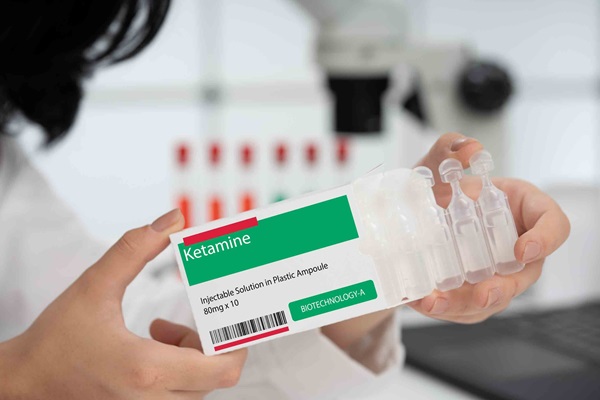
In ketamine therapy treatment sessions, a trained provider will administer lower doses of ketamine is administered in lower doses under the supervision of a trained provider. The goal is to create a state of relaxation and dissociation, which may allow individuals to process trauma, break free from negative thought patterns, and experience emotional clarity. Depending on the wellness center, sessions may include intravenous (IV) infusions, intramuscular injections, or oral tablets. Some providers integrate other therapeutic techniques, such as mindfulness exercises or talk therapy, to enhance the experience.
Benefits of ketamine therapy
Rapid symptom relief
Ketamine therapy offers quicker relief from symptoms compared to traditional antidepressants, which often take weeks or even months to show results. Many individuals may experience noticeable improvement after just one or two ketamine therapy sessions. This rapid effect is especially advantageous for those suffering from treatment-resistant depression or those in an acute crisis.
Potential to improve neuroplasticity
According to a 2021 study by the Society of Biological Psychiatry, ketamine has the ability to enhance neuroplasticity. Neuroplasticity is the human brain's ability to form new neural connections. This effect may help individuals develop healthier thought patterns and coping mechanisms, creating lasting improvements in their overall mental well-being.
Providing relief from a variety of conditions
Ketamine therapy is versatile, offering potential relief for various conditions. It can treat treatment-resistant depression, anxiety, and PTSD. However, some wellness centers also recommend it for managing chronic pain, fibromyalgia, and migraine headaches.
Minimal risk of dependency
When ketamine therapy is administered in a controlled environment by a qualified healthcare provider, it poses a minimal risk of dependency. In order to prevent potential misuse, the provider will carefully calibrate the doses of ketamine therapy. This meticulous oversight ensures that ketamine therapy remains a safe and viable option for individuals exploring alternative treatments.
Personalized treatment plans
Ketamine therapy is a flexible treatment method. Wellness center providers can tailor each patient's treatment plan to meet their unique needs. This personalized approach ensures that every patient can achieve their treatment goals and improve their overall oral health.
Important considerations before undergoing ketamine therapy
Physical and mental health evaluation
A comprehensive evaluation is critical before the patient begins ketamine therapy. Wellness centers typically require a thorough assessment to ensure the treatment is appropriate for the individual. Conditions such as uncontrolled high blood pressure or certain heart issues may contraindicate ketamine therapy.
Potential side effects of ketamine therapy
While many individuals can tolerate ketamine therapy, it is not without potential side effects. Common reactions include:
Nausea
Dizziness
Dissociation
Headache
Elevated heart rate and blood pressure
Increased feelings of anxiety
During the session, some individuals may experience vivid dreams or altered perceptions, which are generally short-lived.
Cost
Ketamine therapy is not always covered by insurance. This may create a barrier for patients looking to undergo ketamine therapy. However, pricing and payment options should be discussed with the wellness center beforehand to plan for the financial aspect of treatment.
Commitment to the treatment process
Successful treatment outcomes often require multiple sessions. The frequency of these sessions can vary depending on the individual's condition and response to treatment. It is important for patients to remain consistent and committed to the full course of therapy to help them achieve long-lasting results.
Comprehensive support
Ketamine therapy is most effective when combined with additional support. Providers at the wellness center may recommend integrating lifestyle changes, counseling, or other holistic practices. A comprehensive approach to treatment can enhance the overall benefits of ketamine therapy.
Ideal candidates for ketamine therapy
Many individuals who have not found relief with traditional treatments may find ketamine therapy to be a promising alternative. Those dealing with severe depression, PTSD, or anxiety that has not responded to medications or psychotherapy may benefit from this innovative approach. Additionally, individuals seeking a holistic, mind-body-centered treatment for chronic pain conditions may find it helpful.
However, there are some health conditions that may make patients ineligible for ketamine use. Some of these conditions include:
Pregnant or breastfeeding
History of schizophrenia
History of bipolar depression
History of liver or kidney disease
History of heart problems
Schedule a consultation
Ketamine therapy is an evolving and promising treatment for a variety of mental health and chronic pain conditions. The Optimal Medical Group team is here to help you determine if this treatment will work for you. Call our Fresno office to schedule a consultation.
Testosterone is the most abundant active sex hormone in a woman's body, and its level shapes how strong, focused, and motivated she feels. It circulates at lower concentrations than in men, yet it does substantial work, from building lean muscle and maintaining bone to driving a significant share of libido.Women in their thirties, forties, and…
Visceral fat, the fat packed around the liver, pancreas, and intestines, behaves like an active organ rather than simple storage. It releases inflammatory signals into the bloodstream and drives insulin resistance. Losing it delivers one of the fastest health returns in weight loss, and a DEXA scan can measure it directly, in grams.Adults working to…
Most thyroid panels stop at TSH and leave out thyroid antibodies, the test that shows whether the immune system is attacking the gland. Antibodies often appear years before hormone levels shift, which makes them the earliest warning sign available for autoimmune thyroid disease, the most common cause of thyroid dysfunction.Adults who feel tired, foggy, or…
The strongest P-Shot® results come to men who treat the therapy as a plan rather than a single appointment. Each treatment builds new blood vessel growth on top of the last, so circulation improves from a stronger starting point every time. Results also depend on what surrounds the treatment, especially hormone levels and blood sugar…