What Can You Learn From a Facial Skin Analysis
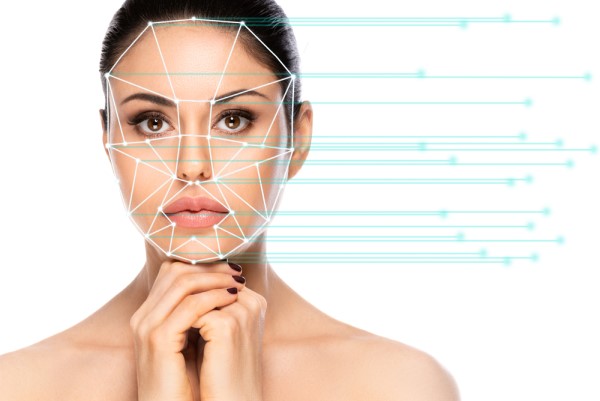
A facial skin analysis is a way to evaluate your skin. Along with our medspa, it is a common treatment of doctors, dermatologists, and aestheticians. Undergoing a facial skin analysis can completely change how you view your skin, therefore changing how you care for it. Here is everything you need to know about undergoing a facial skin analysis.
What is a facial skin analysis?
A facial skin analysis, formally known as VISIA skin analysis, is a process that uses diagnostic technology to determine the true nature of a patient’s skin. With the VISIA system, the patient puts their chin on a pad with their eyes closed as the machine moves around their head. The system will capture images of the top layers of their skin using a special camera.
VISIA allows us to evaluate the skin’s texture, elasticity, pigmentation, pore size, and hidden fine lines and wrinkles. In turn, this helps us see the patient’s true skin type. Many patients believe they have a certain skin type, such as dry skin. However, a perceived skin type may actually be the result of an underlying condition, certain products, or diet.
Determines skin type
One of our skilled estheticians will determine one’s skin type by examining the skin’s thickness, texture, and color. All of which can be broken down into four main categories:
-
Normal: The patient’s skin is neither oily nor dry. The chances of them struggling with acne or rashes are low.
-
Oily: The patient’s skin produces an excess amount of sebum (oil), making it shiny and greasy in appearance. The patient may be prone to breakouts and blackheads.
-
Dry: The patient’s skin lacks sufficient oil and becomes dehydrated easily, leaving it rough and flaky in appearance and feel. In turn, this can lead to premature aging and wrinkles.
-
Sensitive: The patient’s skin reacts negatively to irritants like soap, detergents, perfumes, cold air/wind, etc. As a result, they are more likely to develop rashes or eczema than others with normal or oily skin.
The skin is a very complex organ that has many properties. In fact, it is the largest organ of the human body. It protects patients from pathogens and other harmful substances, regulates body temperature, and helps maintain water balance. That said, many factors determine one’s skin type.
Identifies skin conditions
A facial skin analysis will help identify any underlying health issues that may be causing discoloration, breakout, or other abnormalities. Common conditions our team can uncover and examine include:
It can also determine one’s true skin age by detecting signs of early aging so that we may craft a plan for home or cosmetic treatments to slow down its progression. Additionally, if a patient has freckles or moles, we will examine them to ensure they are not abnormal. Sometimes, a mole that appears on the face with an irregular shape and texture can signify a more serious health condition.
Determines effective at-home skincare and treatments
A facial skin analysis will only take a few minutes. After our assessment, we will discuss and review the patient’s skincare products, diet, and how much time they spend in the sun. Each of these factors has a major effect on the skin’s age progression.
The treatment plan we craft will depend on the patient’s goals and their skin’s needs. We will recommend products and how often to use them for maximum effectiveness. These products will include a facial cleanser, toner, serum, eye product, moisturizer, UV/sun protectant, and more. In addition, we will review the patient’s daily water intake and suggest adjustments, if needed, as well as any foods that may contribute to their condition or serve as a benefit.
Finally, we may recommend professional cosmetic treatments to help boost the progress of the patient’s skin. The treatments may include microdermabrasion, chemical peels, dermaplaning, intense pulsed light (IPL), Fraxel®, and more. Such treatments are considered non-invasive or minimally invasive and often require no downtime. They are designed to start working as patients go about their daily activities.
Get a better understanding of your skin
A facial skin analysis is a great way to learn more about your skin and what you can do to improve it. It can also help you avoid common skincare mistakes that can lead to certain conditions, such as dryness or sunspots. Let us help you better understand and ultimately care for your skin.
We invite you to schedule a facial skin analysis appointment at our Fresno office by calling {{PHONE}}. We look forward to speaking with you.
Check out what others are saying about our services on Yelp: Read our Yelp reviews.
Related Posts
Metabolic weight loss reviews usually point to the same truth: people lose weight most reliably when a program helps them maintain a consistent calorie deficit while protecting metabolic health. "Metabolic weight loss" is a secret reset button for metabolism. It's a structured way to manage food intake, activity, and habits so body weight trends down…
Long-term maintenance after metabolic weight loss works when the medical-office plan shifts from "losing" to "staying," using clear targets, consistent monitoring, lifestyle interventions, and, when appropriate, ongoing weight loss medication support that matches a changed metabolism. After fat loss, many patients burn fewer calories and feel hungrier, so maintaining weight loss often requires an ongoing…
Required lab work for starting metabolic weight loss is a focused set of blood tests that helps a healthcare provider spot insulin resistance, thyroid dysfunction, nutrient deficiencies, and organ issues that can drive weight gain or cause difficulty losing weight. In practice, this means getting a few baseline lab tests, often a complete blood count,…
Choosing between metabolic weight loss supplements and a medication-based program comes down to one thing: how much, how safely, and how predictably they help someone lose weight. In most research, over-the-counter weight loss supplements produce little or inconsistent change, while clinician-guided prescription programs (including GLP-1 medications) commonly produce about 10–15% body weight loss when paired…