What Does the O-shot Do?
The O-shot is a simple procedure that can drastically improve a woman’s sex life. This all-natural option is gaining in popularity due to its ability to provide them with a quick, painless, and nonsurgical procedure that offers multiple benefits, not just with sexual health. This article will review everything you need to know about the O-shot before arriving at your appointment.
What is the O-shot?
The procedure takes the platelet-rich plasma from a patient’s blood and reinserts them into the vagina and clitoris using a very tiny needle. The process targets a woman’s O-spot, which is the most sensitive and most important area to have an orgasm. The process only takes about half an hour, and many patients claim they can immediately feel a difference.
According to the Journal of the American Medical Association, sexual dysfunction is often considered to be worse in women because it can lead to a lower sense of well-being that negatively affects the relationships with their sex partners and can contribute to the disintegration of the family.
Benefits of the O-shot
The benefits of receiving the O-shot are plenty. Here is a list of what patients can expect after receiving the O-shot:
- Stronger orgasms: The reason why women can experience a stronger orgasm after having the O-shot is that it allows the vagina, the clitoris, and the G-spot to all work in Unison with each other.
- An increase in orgasms: Because the vaginal area now has an increase in blood flow, it will be more sensitive, leading to increased orgasms due to the increased sensitivity.
- An increase in sexual desire: The increase in sexual desire is due to the increased blood flow, which makes the vaginal area much more sensitive.
- An increase in natural lubrication: An increase in vaginal lubrication will allow for a more pleasurable sexual experience. When there is not enough lubrication, it can quickly make the act of intercourse painful.
- A decrease in urinary incontinence: The original use of the O-shot in the vaginal area was to decrease the possibility of urinary incontinence.
How to prepare for an O-shot appointment
Those who have an O-shot appointment scheduled must properly care for themselves beforehand. The following tips can help patients prepare for their appointment:
- Shave or wax the pubic area. Shaving will make it easier for the doctor to see the blood vessels and veins in the labia and clitoris.
- Clean the area gently. Gently cleanse the area with warm water and mild, fragrance-free, PH-balancing soap prior to the appointment.
- Drink water two hours before blood is drawn. Patients should strive to drink half their body weight in ounces of water.
- Eat a no-fat diet 12 hours before. It is important to ensure the patient does not eat any fat 12 hours before having blood drawn and that the patient avoids eating any food 4 hours before the appointment.
What to expect during the O-shot appointment
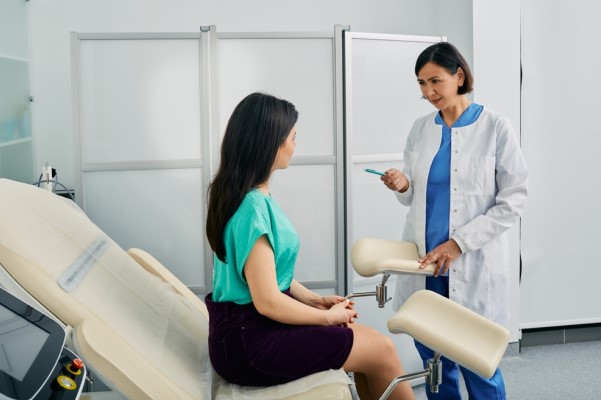
The minimally-invasive procedure is performed by our team. Upon arriving at the office, the patient will need to fill out the necessary paperwork, including a medical history form, consent form, and HIPAA authorization. Once complete, the patient will have the opportunity to discuss any concerns and questions about the procedure to provide more comfort.
Next, the doctor will perform an exam to ensure there are no medical conditions that may prevent the patient from safely undergoing this treatment. The exam includes a visual inspection of their genitalia and a digital rectal exam (DRE). We also do a blood test prior to performing any procedures so we can check their blood counts and ensure they are within normal limits.
Once the patient is cleared for the procedure, the doctor will apply a local anesthetic to prevent discomfort or pain-related symptoms during the injections. Once numb, the injections will be made through a small incision below the clitoral glands or head. Injections will then be inserted on both sides of the vagina. At the same time, the patient lies on her back with legs bent toward her chest or knees straight out in front, depending on the comfort level. If necessary, the doctor will apply gauze over the injection sites for a few moments to prevent bleeding.
Once the procedure is complete, the patient is free to resume their normal activities, as no downtime is required for the O-shot procedure.
Schedule an Appointment Today
We hope you have found this article beneficial. We invite you to contact us today to schedule an appointment with one of our medical professionals. We love answering questions, so bring us all that you have. Our team strives to ensure you are comfortable throughout this entire process. If you are ready to improve your sexual health, we are prepared to help you!
Request an appointment in our Fresno office here: https://omgwellnessmd.com or by calling (559) 840-0066.
Check out what others are saying about our services on Yelp: Read our Yelp reviews.
Related Posts
An hs-CRP test measures low-grade inflammation that a cholesterol panel cannot see. It helps explain why identical cholesterol results can lead to different heart outcomes. High-sensitivity C-reactive protein, written hs-CRP, is a protein made by the liver that rises with inflammation. Inflammation helps make an artery wall receptive to plaque. Cholesterol-carrying particles supply the material,…
The right P-Shot® candidate is identified through measurement, not age alone. The P-Shot®, short for Priapus Shot®, uses platelet-rich plasma (PRP) from a man's own blood to support tissue repair and new blood vessel formation. That process depends on the biology already in place. Three numbers shape how well it can work: free testosterone, hemoglobin…
A DHEA-S test measures the adrenal hormone that supplies the raw material for much of what testosterone and estrogen accomplish. DHEA-S stands for dehydroepiandrosterone sulfate. DHEA and DHEA-S are the most abundant steroids in the human body, and the adrenal glands make most of it. The body converts it into testosterone and estrogen inside the…
A coronary calcium score looks directly at the heart's arteries and returns a single number, instead of estimating risk from a formula. It comes from a quick CT scan that finds calcium deposits in the arteries supplying the heart. The scan uses no contrast dye and requires no needle. It measures calcified plaque and reports…