Prescription weight loss safety and Food and Drug Administration (FDA) approval go hand in hand. Only a small group of prescription weight loss medications are truly FDA approved for treating obesity. As of early 2026, six long‑term prescription drugs and several short‑term stimulants are officially approved when combined with lifestyle changes and used under medical supervision. Used correctly, they can help many patients lose 5–15% of their starting body weight while limiting risks.
To use these medicines safely, patients need three things: confirmation that the drug is actually FDA approved for medical weight loss, a personalized treatment plan, and close follow‑up with a health care professional. That usually means reviewing their health history, screening for conditions like heart disease or kidney diseases, and planning realistic goals. It also includes monitoring common side effects, watching for serious adverse events, and knowing when to stop.
Key Takeaways of Prescription Weight Loss Safety Guide
Not everyone is a candidate for every drug; clinicians must review BMI, medical history, heart and kidney health before prescribing.
Monitoring is central to prescription weight loss safety, including tracking weight, blood pressure, labs, side effects, and stopping the drug if serious symptoms appear.
Prescription weight-loss medications with a structured lifestyle program can serve as supportive option for managing obesity.
What are Prescription Weight Loss Medications?
Prescription weight loss medications are tools, not magic fixes, and they work best inside a broader weight management plan supervised by a health care professional.
How These Medications Work In The Body
Most prescription weight loss drugs works by helping the body regulate appetite, calorie absorption, or energy use. Different drugs use different active ingredients and pathways.
GLP‑1 medications like semaglutide (Wegovy) and tirzepatide (Zepbound) mimic hormones called glucagon like peptide 1 and related gut hormones. These signals slow stomach emptying, regulate appetite, and help patients lose weight by feeling satisfied with smaller meals.
Other medicines, like orlistat, reduce the absorption of dietary fat from food. Bupropion‑naltrexone affects brain pathways that control cravings and reward. Phentermine‑topiramate (Qsymia) uses an appetite suppressant plus a medication that influences satiety and sometimes alters taste.
Across large clinical trials, these FDA approved drugs work best when combined with a low fat diet, healthy eating patterns, and consistent activity to avoid gain weight. On average, patients may lose 5–16% of body weight, depending on the medication and dose.
Who Might Be A Candidate For Prescription Treatment
Prescription drugs for obesity are not meant for casual weight loss or for someone who wants to lose a few vanity pounds. They target specific medical needs.
Current guidelines suggest these medications for adults with obesity, defined as a body mass index of 30 or higher. They also apply to people with a BMI of 27 or higher when health conditions like high blood pressure, type 2 diabetes, or sleep apnea are present.
A clinician will also look at health history, including heart disease, digestive and kidney diseases, mental health challenges, and current medications. Some drugs can raise blood pressure or heart rate, while others may lower blood pressure slightly as patients lose fat.
The decision to use prescription medications comes after lifestyle changes have been tried and aren't enough on their own. The goal is to treat obesity as a chronic disease, reduce body fat, and prevent future health problems, not just to change the number on the scale.
Current FDA-Approved Prescription Weight Loss Drugs
Only a limited number of prescription weight loss drugs have full FDA approval specifically to treat overweight and obesity, either for chronic management or short‑term use.
Long-Term Use Medications (Chronic Weight Management)
Six prescription drugs are FDA approved for long‑term weight management in adults with obesity or overweight plus medical complications. These are not quick fixes and are intended for chronic use.
The long‑term medications include orlistat (Xenical), bupropion‑naltrexone (Contrave), liraglutide (Saxenda), phentermine‑topiramate (Qsymia), semaglutide (Wegovy), and tirzepatide (Zepbound). Wegovy now includes an oral 25 mg pill formulation approved in late 2025.
GLP‑1–based medicines like Wegovy and Zepbound helped many patients lose 13–16% of starting body weight over about one year. Others, like Contrave and Qsymia, usually produce 5–10% weight loss when used with lifestyle changes.
Patients must combine these FDA-approved drugs with healthy eating, a reduced-calorie diet, and increased activity. Patients often continue them as long as benefits outweigh potential side effects and they maintain meaningful weight loss.
Short-Term Use Medications (Typically Stimulants)
Short-term prescription weight-loss medications typically consist of stimulant drugs intended for only a few weeks of use. They mainly suppress appetite.
The classic example is phentermine, sold under brand names like Adipex‑P and Lomaira. It is an older prescription pill that reduces hunger and can help patients lose weight in the short term.
Because stimulant medications can raise blood pressure and heart rate, clinicians usually prescribe them for no more than 12 weeks. Clinicians avoid them in patients with significant heart disease, uncontrolled hypertension, or certain psychiatric conditions.
Short-term drugs do not serve as a stand-alone treatment plan for chronic obesity. Clinicians may use them briefly while patients intensify lifestyle changes or evaluate longer-term options.
Brand Names Versus Generics And Compound Medications
For some older weight loss medications, like orlistat or phentermine, generic prescription drugs are available and can reduce cost. For others, only brand‑name options exist.
Newer GLP‑1 medicines such as Wegovy and Zepbound do not yet have approved generic versions. When insurance plans do not cover them, patients may feel tempted by cheaper alternatives advertised online.
The FDA does not approve compounded semaglutide and tirzepatide as manufactured drugs and does not individually review them for safety, quality, or exact dosing. State-licensed compounding pharmacies can prepare these medications with a prescription for a specific patient, particularly during shortages or when a customized dose is needed.
Patients should still confirm that their medication comes from a properly licensed pharmacy, uses legitimate active ingredients, and includes medical supervision and follow-up. Working with credible sources and clear prescription oversight helps reduce risks such as dosing errors, contamination, or unexpected side effects.
Alternatives And Next Steps If Medication Is Not Right For You
Some patients cannot use prescription weight loss medications safely, and others simply prefer different approaches. There are still powerful options to treat obesity.
Lifestyle-Only Approaches And Behavioral Support
Lifestyle‑only treatment plans focus on nutrition, activity, and behavior change without prescription drugs. They can still lead to meaningful improvements in body weight and health.
Structured programs may include regular visits with dietitians, health coaches, or behavioral therapists who specialize in weight management. These professionals help patients set small, realistic goals and navigate setbacks.
Behavioral strategies might include food journaling, stimulus control, coping plans for emotional eating, and problem‑solving around time, money, or family demands. These tools reduce the chance of weight gain returning quickly.
Even without medication, losing 5–7% of body weight can lower blood pressure, improve blood sugar, and reduce risk for heart disease. For many people, that is enough to improve daily life.
Other Medical Options, Including Surgery And Devices
For some individuals with severe obesity, surgery or medical devices may offer the best chance to treat obesity and its complications. Clinicians consider these options when other methods fail or when health problems become serious.
Bariatric procedures like gastric bypass or sleeve gastrectomy can produce large, durable weight loss and major improvements in diabetes and blood pressure. They do carry surgical risks and require lifelong follow‑up.
Endoscopic procedures and approved devices may provide intermediate options between lifestyle change and full surgery. A specialist can explain which choices fit a person's health conditions and goals.
These interventions are not shortcuts. They demand long‑term lifestyle changes, careful monitoring, and attention to nutrition to prevent weight regain and nutrient deficiencies.
When To Reassess Or Switch Treatment
Obesity treatment is rarely a straight line. It is normal to reassess and change strategies over time as weight, health conditions, and life circumstances shift. If a patient does not lose at least 5% of body weight after a fair trial on the intended dose of a prescription, the prescriber may recommend stopping that drug. Another class of medication or a non‑drug option may work better.
Reassessment also happens when new health challenges appear, such as pregnancy, major surgery, or newly diagnosed heart or kidney diseases. The safety balance may change, and the risk of serious side effects might increase.
Regular conversations with the medical team keep treatment aligned with current needs. The goal remains the same: a sustainable approach that improves health more than it adds risk.
Frequently Asked Questions About Prescription Weight Loss Safety Guide: Which are FDA Approved?
Which prescription weight loss drugs are FDA approved as of 2026?
As of early 2026, the FDA approves six long-term prescription weight-loss medications for chronic weight management: Orlistat (Xenical), Bupropion/naltrexone (Contrave), Liraglutide (Saxenda), Phentermine/topiramate (Qsymia), Semaglutide (Wegovy, including the 25 mg oral tablet), and Tirzepatide (Zepbound). Phentermine is approved only for short-term use.
Who is a good candidate for prescription weight loss medications?
Most guidelines support these drugs for adults with a BMI of 30 or higher, or a BMI of 27 or higher plus conditions like high blood pressure, type 2 diabetes, or sleep apnea. Candidates should have already tried lifestyle changes and be able to participate in ongoing medical monitoring.
Are compounded versions of semaglutide or “generic Wegovy” safe alternatives?
Compounding pharmacies do not manufacture semaglutide as an FDA-approved weight-loss drug, and the FDA cautions that quality may vary, including dosing inconsistencies or contamination from unreliable sources. Still, many patients safely use compounded drugs when prescribed and monitored by a qualified medical professional and filled through a reputable licensed compounding pharmacy.
Can I stay on FDA approved weight loss drugs long term?
You can often continue long-term FDA-approved prescription weight-loss medications as long as benefits outweigh risks and monitoring stays consistent. Many patients lose about 5–16% of their starting weight over 6–12 months, especially with GLP‑1 drugs like Wegovy and Zepbound, when combined with healthy eating and physical activity.
Conclusion and Summary of Prescription Weight Loss Safety Guide: Which are FDA Approved?
Start with one question for the safest prescription weight-loss strategy: “Is this medication truly FDA approved for my situation, and how will we monitor it?”
When patients and clinicians choose an approved drug, respect the intended dose, and watch for side effects, these medications can significantly reduce body weight and obesity‑related health problems.
For others, lifestyle‑only approaches or procedures may be better fits. In every case, ongoing partnership with a qualified health care professional is the strongest protection against risk and the best path toward lasting change.
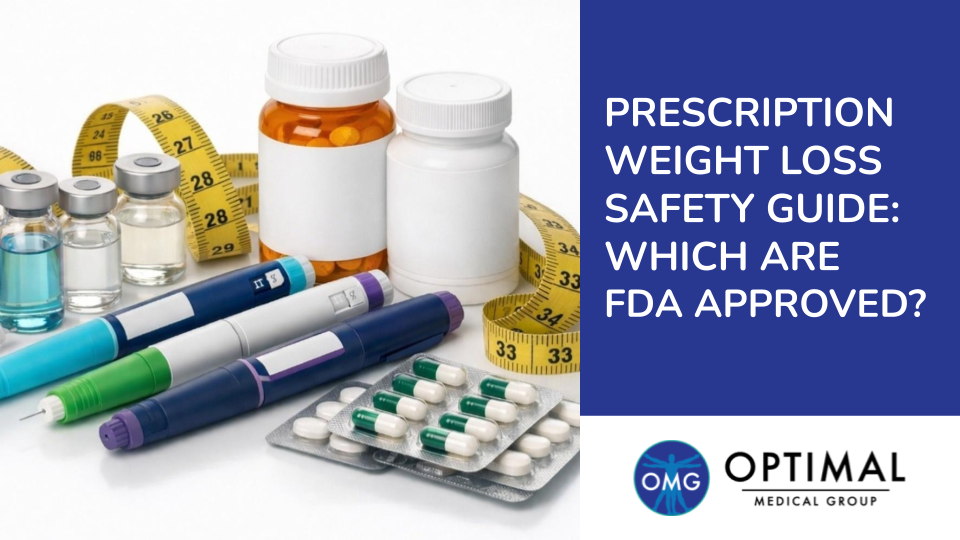
Cover Image Illustration by: The Optimal Medical Group.
Prescription Weight Loss Payment Plans let patients spread the high cost of GLP‑1 weight loss medications and clinic care into predictable monthly payments instead of paying everything upfront. For many adults trying to lose weight with weight loss drugs like Wegovy, Ozempic, or Zepbound, these plans are the difference between starting treatment and giving up.…
Prescription weight loss telehealth options allow adults with obesity and weight related medical problems to meet virtually with a healthcare provider, be medically evaluated, and receive appropriate weight loss medication prescriptions without visiting the office every time. In most cases, patients complete a structured online visit, review their health history and body mass index (BMI),…
Prescription Weight Loss Cost in Fresno, CA typically ranges from about $100–$500 per month for basic programs to around $3,000 for a 12‑week complete plan in a medical office. Most Fresno patients are paying for supervision, prescription medications, labs, and coaching, not just a single shot or pill. In practical terms, that means budgeting for…
Prescription Weight Loss vs Weight Watchers comes down to one core decision: medical, medication-based treatment versus a structured lifestyle and behavioral program. Both can support weight loss, but they work in very different ways and suit different people. Prescription weight loss medications change biology that drives hunger and cravings, while Weight Watchers focuses on diet,…