Health Benefits of Hormone Therapy
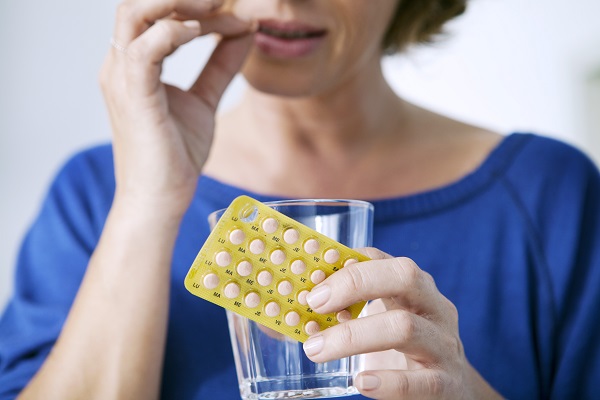
Hormone therapy is a systemic treatment used for various conditions, from relieving symptoms of menopause to helping fight cancer. Several types of therapy can help the body heal and relieve uncomfortable symptoms.
How does hormone treatment work?
Hormone treatment works differently based on what it is being used to treat. For relief of menopause symptoms, two types are primarily used: systemic and nonsystemic. Systemic treatments circulate through the bloodstream and reach all parts of the body, while nonsystemic treatments target a specified body area.
With varying types of cancer, hormone treatment can help treat cancer by lessening the chances of cancer’s return, even slow its growth. Some patients who have cancer cannot have surgery or radiation therapy to target the cancerous area, so hormone treatment may be used to ease cancer symptoms.
What kinds of cancer does it treat?
Hormone treatment can treat an array of symptoms associated with various cancer types, including breast cancer, prostate cancer, endometrial cancer, and adrenal cancer. Treatment plans for cancer using hormone treatment are dependent on the type of cancer.
How does it help with menopause?
Women who experience severe symptoms associated with menopause may be able to find relief in this treatment. It can help with several aspects of menopause, including:
- Moderate to severe hot flashes
- Vaginal dryness, itching, or burning
- Prevention of osteoporosis, which is the thinning of the bones which can be associated with estrogen
There are hundreds of clinical studies that have been done that showcase the effectiveness of hormone therapy for the treatment of menopausal symptoms.
What types of are there?
Depending on what the hormone treatment plan is, it could be in the form of oral drugs, injectable drugs, and even the surgical removal of hormone-making organs.
Oral drugs make up a large portion of hormone treatment. They may come in the form of a pill, liquid, or capsule and usually can be taken at home.
Injectable drugs are usually given in the leg, hip, or arm as an intramuscular (IM) injection. Some may be given in the abdomen as a subcutaneous (sub-Q) injection. Treatments may be administered at a doctor’s office or a treatment center, but occasionally, patients may administer their injections after being taught.
Surgery may also be used as a form of hormone treatment. It removes the hormone-producing organ, which restricts the body’s ability to overproduce the hormone associated with cancer.
How much does it cost?
The costs associated with hormone therapy vary depending on several factors. The type of therapy used for treatment will play a significant role in expenses, as will the length and frequency of the treatment. The area of the country that you reside in will also be a determining factor regarding cost.
Many insurance plans do cover a portion of this therapy. Visit your health insurance provider to find out what your insurance plan will cover in your hormone treatment plan.
Get more information here: https://omgwellnessmd.com or call Optimal Medical Group at (559) 840-0066
Check out what others are saying about our services on Yelp: Hormone Therapy in Fresno, CA.
Related Posts
A long and healthy life is shaped by a short list of things that can be measured right now. Three building blocks matter most: aerobic fitness, muscle, and steady blood sugar and cholesterol. Aerobic fitness sets how much a person can do before the body feels the strain. Muscle drives metabolism and keeps the body…
Healthy weight loss per week usually means a steady one to two pounds, a pace most people can hold and keep off. People who lose weight at this gradual rate are more likely to keep the weight off than people who lose it quickly. Faster loss is possible, but it often costs muscle. Muscle keeps…
P-Shot treatment is an in-office procedure that helps men pursue stronger, more reliable erections and improved sexual performance using nothing but their own blood. The P-Shot, short for Priapus Shot, targets the root of most erection problems: blood flow. A small blood sample is spun down to concentrate the platelets into platelet-rich plasma (PRP), which…
Hormone imbalance and mental health are closely linked, because hormonal changes can affect far more than the body. When hormones fall out of balance, the effects often show up as mood swings, lack of energy, sleep disturbances, decreased libido, and even depression. Hormones help control mood and the sleep-wake cycle, so even small shifts can…