DEXA Scan vs. Other Body Composition Tests: What’s the Difference?
While traditional metrics, such as body mass index (BMI), offer limited insight into the composition of the body, DEXA scans are an advanced imaging tool that can provide a more comprehensive view. DEXA stands out among other options for its precision, reliability, and ability to guide personalized care. Wellness centers use it as a way for their patients to better understand their body composition and how to make an informed decision about their health.
The DEXA scan: How it works
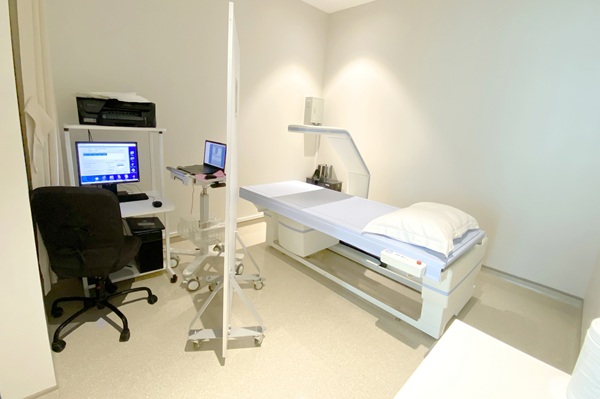
A DEXA scan, or dual-energy X-ray absorptiometry, is one of the most advanced tools available for analyzing body composition. Using low-dose X-ray technology, it accurately distinguishes between fat, lean muscle, and bone mass. Unlike many other methods, DEXA provides detailed, region-specific insights that go far beyond surface-level measurements. This includes valuable information about muscle distribution, which can help support the patient's overall strength during recovery, aging, or changes in activity levels. The scan also assesses bone density — an important marker that can help wellness center providers guide patients toward healthier movement, nutrition, or medical follow-up when appropriate. With just one quick, non-invasive scan, DEXA provides a reliable way to gain a deeper understanding of the body and tailor wellness plans accordingly.
Measuring for potential health risks
Another major advantage of DEXA scans is their ability to measure visceral fat, which is the type of fat that surrounds internal organs. Elevated levels of visceral fat can increase the risk of high blood pressure, insulin resistance, fatty liver, and chronic inflammation, as well as other health concerns. While wellness centers do not diagnose these conditions, understanding a patient's fat distribution can support collaborative care with medical providers or help guide fitness, nutrition, and lifestyle improvements.
Unlike other tests that rely on general estimates, a DEXA scan delivers clear, segmented data on how fat, muscle, and bone are distributed throughout the body. This overview allows medical providers at wellness centers to monitor the patient's progress over time and make informed recommendations. Whether the patient's goal is to reduce body fat, improve muscle tone, or support overall health, the scan provides the clarity they need to move forward with confidence.
How other tests compare to DEXA scans
Other body composition tests, such as bioelectrical impedance (BIA), skinfold calipers, and air displacement devices, each have their place in fitness and wellness settings. These methods are typically more accessible and may offer basic estimates for fat or muscle mass. However, they can vary widely in accuracy and often fail to provide insight into regional fat distribution or internal fat levels. While useful for quick check-ins, wellness center providers typically recommend them as complementary tools rather than standalone assessments.
What to expect during a DEXA scan
DEXA scans can be completed in less than 10 minutes and do not require any special preparation. The process is painless and involves lying still on a flat table while the scanner moves over the patient's body. The amount of radiation used is minimal and safe for repeated use when monitoring changes over time. Patients can expect to get their results quickly, as they are meant to be reviewed by a healthcare provider to inform tailored lifestyle recommendations.
Unlike BIA and skinfold calipers that vary based on time of day or hydration, DEXA scans deliver consistent, repeatable results. This makes them especially valuable for tracking long-term changes in body composition, whether related to fitness goals, medical conditions, or age-related changes in bone and muscle mass.
How DEXA scans inform treatment at a wellness center
Wellness centers focus on evidence-based care, which is why DEXA scans are often used to establish a clear baseline for body composition and monitor meaningful changes over time. The technology supports more personalized decisions in areas such as nutritional counseling, fitness programming, and non-invasive body contouring plans. Evaluating factors like regional fat distribution, lean muscle mass, and bone density allows providers to tailor recommendations to match each patient's specific health profile and goals. This level of precision goes beyond the limits of the numbers on a scale.
Patients aiming to improve strength, reduce fat, or enhance overall wellness often value the transparency a DEXA scan provides. Rather than relying on appearance or subjective feedback, they receive concrete data that shows how their bodies are responding to lifestyle changes. When used consistently, DEXA becomes a trusted tool for refining strategies and promoting lasting treatment results.
Choose clarity with DEXA at Optimal Medical Group
When it comes to measuring body composition, accuracy and insight make a lasting difference. DEXA scans provide a reliable and detailed view of fat, muscle, and bone distribution. That means better health outcomes and more personalized care. See if you could benefit from a DEXA scan during an appointment with the Optimal Medical Group team in the Fresno area.
Metabolic weight loss cost in Fresno, CA typically ranges from about $100–$500 per month for basic, medication-focused care to around $3,000 for a 12-week comprehensive clinic program that bundles visits, labs, and injections. In practice, the price depends on whether the plan is medically supervised, how much lab work is included, and whether prescription weigh…
The best meal plans to boost metabolic weight loss results do two things at once: they create a consistent calorie deficit while protecting muscle mass and keeping blood sugar steady enough to stay on track. That means higher protein at each meal, fiber-rich carbohydrates from minimally processed foods, and healthy fats (like olive oil) that…
Metabolic weight loss and thyroid issues are closely linked because thyroid hormone (T3 and T4) sets the body's metabolic rate, how many calories it burns at rest, so low levels can slow weight loss and promote weight gain, while excess thyroid hormone can drive rapid, unhealthy loss. In practical terms, the "fix" usually starts with…
A metabolic weight loss first visit at Optimal Medical Group in Fresno, CA is a physician-led medical weight loss consultation that identifies why weight gain is happening, then turns that insight into a personalized treatment plan. This plan is often combining nutrition, lifestyle strategies, lab tests, and (when appropriate) prescription weight loss medications. Instead of…