3 Common Facial Rejuvenation Procedures
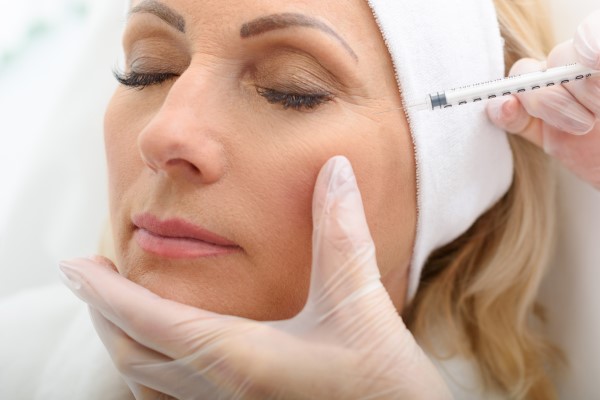
Facial rejuvenation procedures range in purpose, helping people across the globe look their best. These procedures include both surgical and non-surgical options. Rejuvenation procedures can help patients enhance their beauty, helping eliminate fine lines, creating fuller features, and lifting sagging skin.
Locating a board-certified plastic surgeon is vital for satisfactory results, whether the procedure is surgical or non-surgical. Those experiencing the unwanted effects of aging may be able to find a solution in a facial rejuvenation procedure, be it drooping eyelids or brows, the development of jowls, fine lines on the face, or deflated lips.
Fillers
One of the most popular non-surgical facial rejuvenation procedures is dermal or soft tissue fillers. There is an assortment of brands designed for injection into the face. Fillers can help compensate for collagen loss, which usually occurs around the mouth, eyes, cheeks, brow, nose, and jawline.
Collagen loss is a part of aging and can cause wrinkles and loss of fullness in the face. Fillers can temporarily provide fullness to the areas, such as the lips and cheeks, creating a soft and flawless face.
Fillers, such as Juvederm or Restylane, replenish hyaluronic acid levels in the skin. They also bring moisture from the rest of the body to accentuate the smoothing and plumping effect. These fillers are degradable and safe and work to mitigate the signs of aging.
Botox
Another of the non-surgical procedures, Botox, is incredibly popular and has been gaining in popularity in the past several years. Botox is an injectable, which is the cosmetic form of botulinum toxin, that can help remove fine lines of the face.
It works by temporarily paralyzing the muscles that cause wrinkles, creating a smooth and youthful effect. The lack of tension in those areas reduces the appearance of fine lines such as frown lines, crow’s feet, and forehead creases. These injections are fairly straightforward and can be done quickly but only performed by a board-certified plastic surgeon.
If the Botox is not administered correctly, it can lead to adverse effects that are the opposite of the desired look, such as drooping of the face, muscle weakness, and facial pain. Botox has been found to help with migraines and excessive sweating and alleviate the eyes and neck muscle spasms.
Rhytidectomy
Rhytidectomy, which is commonly called a facelift, is a standard surgical facial rejuvenation procedure. Facelifts are done to improve the aging signs seen in the face and neck. Sagging due to the relaxation of the facial skin, deep lines from the nose to the mouth, jowls, and loose skin and fat creating a double chin are all signs that may be addressed with a facelift.
Aging happens to everyone, and the loss of a youthful look can result from a combination of factors. Facelifts can combat the signs of aging, but those interested must do their research and find the doctor that is right for what they are looking for to help ensure the result they are hoping for.
Get more information here: https://omgwellnessmd.com or call Optimal Medical Group at (559) 425-1118
Check out what others are saying about our services on Yelp: Facial Rejuvenation in Fresno, CA.
Related Posts
Metabolic weight loss reviews usually point to the same truth: people lose weight most reliably when a program helps them maintain a consistent calorie deficit while protecting metabolic health. "Metabolic weight loss" is a secret reset button for metabolism. It's a structured way to manage food intake, activity, and habits so body weight trends down…
Long-term maintenance after metabolic weight loss works when the medical-office plan shifts from "losing" to "staying," using clear targets, consistent monitoring, lifestyle interventions, and, when appropriate, ongoing weight loss medication support that matches a changed metabolism. After fat loss, many patients burn fewer calories and feel hungrier, so maintaining weight loss often requires an ongoing…
Required lab work for starting metabolic weight loss is a focused set of blood tests that helps a healthcare provider spot insulin resistance, thyroid dysfunction, nutrient deficiencies, and organ issues that can drive weight gain or cause difficulty losing weight. In practice, this means getting a few baseline lab tests, often a complete blood count,…
Choosing between metabolic weight loss supplements and a medication-based program comes down to one thing: how much, how safely, and how predictably they help someone lose weight. In most research, over-the-counter weight loss supplements produce little or inconsistent change, while clinician-guided prescription programs (including GLP-1 medications) commonly produce about 10–15% body weight loss when paired…