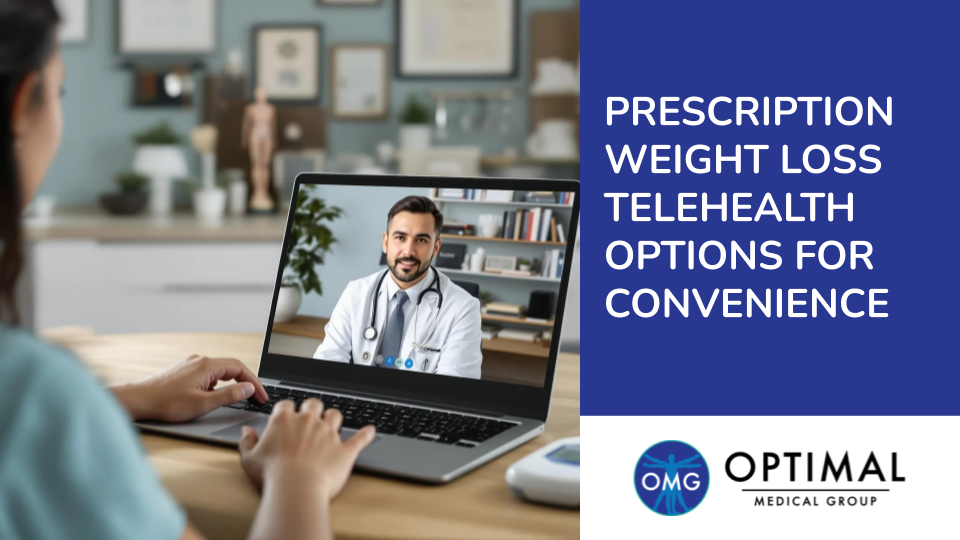
Prescription weight loss telehealth options allow adults with obesity and weight related medical problems to meet virtually with a healthcare provider, be medically evaluated, and receive appropriate weight loss medication prescriptions without visiting the office every time. In most cases, patients complete a structured online visit, review their health history and body mass index (BMI), and then start a supervised treatment plan that combines medication, a reduced calorie diet, and lifestyle support. This approach helps people lose weight safely while still having a medical team watch for side effects and adjust treatment.
The most effective prescription weight loss programs don't just hand out a weight loss drug. They screen for medical conditions, review all the medicines a patient already takes, and use the best medications when appropriate. They also provide clear instructions about possible side effects, and explain when to seek medical help. The goal is a long‑term, healthy lifestyle change backed by ongoing monitoring, not a quick fix.
Important Medical Disclaimer: Before starting any weight loss medication or program, schedule a consultation with a qualified healthcare provider. Prescription weight loss medications should only be used under the supervision of a licensed physician experienced in obesity medicine or medical weight loss. These medications are not appropriate for everyone and carry potential risks and side effects. Individual results may vary, and success depends on combining medication with lifestyle modifications including diet and exercise. This information is for educational purposes only and does not constitute medical advice. Never start, stop, or change any medication without direct guidance from your healthcare provider.
Key Takeaways of Prescription Weight Loss Telehealth Options
Prescription weight loss telehealth options let adults start medically supervised weight management.
High‑quality programs provide comprehensive evaluations, and lab work before prescribing any weight loss medication.
Effective telehealth weight loss care combines medications with a reduced calorie diet, exercise guidance, and ongoing lifestyle coaching for long‑term results.
Safety in prescription weight loss telehealth depends on close monitoring for side effects, clear emergency instructions, and coordination with a patient’s primary care doctor.
Patients should choose reputable telehealth providers that are properly licensed, transparent about costs, and focused on whole‑person health rather than quick‑fix weight loss promises.
How Prescription Weight Loss Telehealth Works
Prescription weight loss telehealth options use secure video or phone visits so patients can be medically evaluated, start treatment, and receive follow‑up care.
Initial Evaluation And Eligibility
During the initial evaluation, the obesity medicine specialist reviews a detailed health history and current weight management challenges. They confirm the patient's body mass index and ask about weight related medical problems such as type 2 diabetes, high blood pressure, or sleep apnea.
The provider also screens for medical conditions that might make specific medications unsafe. They ask about kidney problems, severe stomach problems, thyroid cancer, possible thyroid tumors, or a family history of medullary thyroid carcinoma.
Only after reviewing this information, and sometimes coordinating with the patient's primary care doctor, does the provider decide whether prescription drugs for obesity are appropriate.
Creating A Personalized Treatment Plan
If the patient is a good candidate, the care team creates a personalized treatment plan that goes beyond a simple prescription. The plan usually includes a reduced calorie diet, a healthy diet pattern, realistic exercise goals, and coaching on stress and sleep.
At Optimal Medical Group, the OMGLean program combines prescription medication with nutrition counseling, physical activity guidance, and sometimes lipotropic injections. The focus is on improving overall health and preserving muscle while reducing body fat and total body weight.
Common Prescription Weight Loss Medications Used In Telehealth
Telehealth providers use many of the same approved weight loss medications, but they pair them with structured virtual monitoring.
GLP-1 Medications (Examples And Typical Uses)
One of the most discussed prescription options for obesity and weight management is the class of GLP‑1–based medications. These drugs use the same active ingredient type found in certain diabetes and obesity treatments, and are typically reserved for adults with a higher BMI or significant weight related medical problems.
GLP‑1 medications work by helping patients feel fuller sooner, reducing appetite, and slowing gastric emptying. This often leads to a lower daily calorie intake and better blood sugar control. When combined with a reduced calorie diet and healthy lifestyle coaching, many patients lose weight steadily over several months.
Other Prescription Options And When They Are Considered
Not every patient is suited for a GLP‑1. Some have insurance provider barriers, prior authorization denials, or medical conditions that make this class less ideal. In those situations, telehealth providers may consider other prescription drugs for weight management.
These can include appetite suppressants or combination medications that target hunger and cravings. Providers weigh benefits and risks, especially for patients with heart attack history, increased risk of rapid heartbeat, or mental health concerns where mood changes could be an issue.
Patients are reminded to discuss over the counter medicines, vitamins, herbal supplements, and all the medicines they use regularly. Some combinations may increase side effects like feeling jittery, light headedness, or feeling dizzy.
Benefits Of Telehealth For Prescription Weight Management
Well‑designed telehealth services can make obesity treatment more accessible, more consistent, and often more affordable, especially for busy adults or those living far from specialists.
Convenience And Access To Specialists
One of the biggest advantages is access. Many regions don't have board‑certified obesity medicine specialists nearby. Virtual care allows patients to connect with experts like those at Optimal Medical Group in Fresno without long drives or wait times.
Patients can schedule appointments around work and family obligations. They can check in from the office or another private location instead of taking half a day off for an in‑person visit. For people managing multiple medical conditions, this kind of flexibility can make staying on a weight management plan much more realistic.
Telehealth platforms also help patients stay connected to a consistent care team. Seeing the same doctor and health coach regularly builds trust and makes it easier to talk honestly about setbacks and successes in the weight loss journey.
Continuous Support, Accountability, And Education
Successful weight loss is rarely about willpower alone. Ongoing support, education, and accountability are critical. Telehealth makes this easier by enabling more frequent touchpoints.
In programs like OMGLean, patients may have regular coaching calls, virtual check‑ins, and secure messaging with the care team. This allows quick problem‑solving when someone struggles with cravings, plateaus, or medication side effects such as upset stomach or low blood sugar.
Providers can also share digital resources on healthy diet patterns, activity plans, and behavior strategies. These tools help patients make day‑to‑day choices that support a healthier lifestyle and long‑term health, not just short‑term weight loss.
Risks, Safety Considerations, And Red Flags To Watch For
Prescription weight loss always carries some medical risk, so telehealth programs must have strong safety practices and be clear about who is and isn't a good candidate.
Medical Risks And Who May Not Be A Good Candidate
Some patients face higher risks from weight loss medication. People with a history of medullary thyroid carcinoma, certain thyroid tumors, or strong family thyroid cancer history may be advised to avoid specific drugs. Those with severe kidney problems, severe stomach problems, or advanced heart disease may also not be ideal candidates.
Patients with diabetic retinopathy need close monitoring, since some medications that improve blood sugar can temporarily worsen eye symptoms like blurred vision. Anyone who notices new vision changes should tell your healthcare provider promptly.
Serious allergic reaction is rare but possible. Symptoms can include swelling of the face, tongue, or throat, trouble swallowing, problems breathing, severe rash, or rapid heartbeat. If these occur, the patient should stop the medication and seek emergency medical help.
Other warning signs include severe upper stomach pain, persistent vomiting, chest pain, deep fatigue, or mental changes such as confusion, agitation, or slurred speech. While many patients only experience mild, most common side effects like nausea or diarrhea, telehealth providers must explain the full range of possibilities.
Recognizing Unsafe Or Low-Quality Telehealth Services
Not every online weight loss service maintains high standards. Red flags include no real doctor involvement, no review of medical history, and no request for labs before starting stronger medications.
They should also avoid any service that promises dramatic weight loss in days, ignores health history, or minimizes discussion of risks like increased heart rate or heart attack warning signs.
If a program never asks about pregnancy, or breast milk, or doesn't ask about other medicines that's another concern. A safe service will be thorough, sometimes even a bit repetitive, in checking for potential problems.
How To Choose A Reputable Telehealth Provider For Weight Loss
Choosing the right telehealth partner can determine whether treatment is safe, effective, and sustainable, or stressful and risky.
Licensing, Credentials, And Scope Of Practice
Patients should start by confirming that the provider is licensed in their state and practices within their legal scope. Obesity medicine or internal medicine board certification is a strong plus for complex obesity and weight management.
A reputable service will list each doctor's credentials clearly and explain who handles different parts of care, from medication management to nutrition coaching. Health coaches and nurses are valuable, but they should not be prescribing a weight loss drug independently.
Patients in the Fresno area, for example, can see that Optimal Medical Group's physicians are board‑certified and have specific training in metabolic health and weight management. That level of expertise matters when balancing benefits and risks.
Medication Management, Lab Testing, And Coordination With Your PCP
Safe programs have clear protocols for medication. They order appropriate baseline labs to evaluate blood sugar, kidney function, liver health, and cholesterol. They may also track changes over time to measure the health impact of weight loss.
Patients should ask how often labs are repeated, how medication doses are adjusted, and how the care team decides when to stop or switch drugs. Coordination with a primary care doctor is important, especially for patients with complex medical conditions or long medication lists.
Ideally, the telehealth team shares summaries of visits, medication changes, and lab results with the primary doctor, with the patient's permission. This helps ensure all providers understand the full picture and reduces the risk of interactions with other medicines.
Prescription Weight Loss Telehealth In Fresno: The Optimal Medical Group
Optimal Medical Group in Fresno offers a concrete example of how a structured, medically supervised telehealth program for obesity can look in real life.
Services And Approach To Medically Supervised Weight Loss
OMG's OMGLean program is designed as a comprehensive, non‑surgical medical weight loss approach. It combines prescription medication, detailed body composition analysis, nutrition support, and lifestyle coaching.
Patients receive DEXA scans to track fat mass, lean muscle, and changes in body weight, not just the number on the scale. This helps the care team focus on preserving muscle, which is vital for long‑term health and metabolism.
The program emphasizes a healthy diet, realistic exercise planning, and stress management. Medications are used as tools to control appetite and improve metabolic health, not as stand‑alone solutions.
Throughout treatment, the physicians continually reassess whether the medication remains appropriate, whether side effects like upset stomach or increased heart rate are tolerable, and whether the overall health trajectory is improving.
Frequently Asked Questions About Prescription Weight Loss Telehealth Options for Convenience
What is prescription weight loss telehealth?
Prescription weight loss telehealth lets you meet remotely with board-certified obesity physicians to review your history, labs, and BMI, then start a supervised plan with medications, nutrition, and lifestyle coaching.
Who is a good candidate for prescription weight loss?
You may qualify if you’re an adult with obesity or weight-related conditions such as type 2 diabetes, high blood pressure, or sleep apnea. Eligibility is based on BMI, medical history, medications, lab results, and screening for risks like thyroid tumors, severe kidney or stomach problems, pregnancy, or breastfeeding.
Are prescription weight loss telehealth programs as effective as in-person visits?
When run by board-certified obesity specialists with proper labs and monitoring, prescription weight loss telehealth can be as effective as in-person care. Virtual visits support frequent check-ins, quick dose adjustments, and strong accountability. Combining medications with nutrition, exercise, and behavior coaching is more important for results than whether visits are virtual or in-office.
What is the best prescription drug for losing weight?
No single prescription weight-loss drug is best for everyone, since the right option depends on health history and body weight. GLP-1 medications like semaglutide and tirzepatide are commonly used because they reduce appetite and help patients feel full sooner. A medical evaluation decides which medication is safest and most effective.
Conclusion and Summary of Prescription Weight Loss Telehealth Options for Convenience
Prescription weight loss telehealth options can offer safe, effective support for adults living with obesity, especially when programs are medically rigorous and personalized. The strongest services combine careful screening, evidence‑based medications, and ongoing coaching to help patients lose weight while protecting overall health.
By asking the right questions, verifying credentials, and understanding the real risks and benefits, patients can a responsible medical care. For people in and around Fresno, Optimal Medical Group's program illustrates how a structured approach to weight management can look.
The right team, and commitment, OMG can become a powerful partner in building a healthier lifestyle and sustaining long‑term results.
Cover Image Illustration by: The Optimal Medical Group.
Fat loss vs weight loss is a distinction that changes how results are measured, pursued, and sustained. Most diet programs focus on the scale. But the scale cannot tell the difference between fat lost and muscle lost. When weight drops through calorie restriction alone, a significant portion of that loss often comes from lean tissue…
Hormone imbalance treatment begins with understanding that hormones do not operate in isolation. They run as an interconnected system. When one hormone drifts out of range, it creates a cascade of effects across energy, sleep, mood, body composition, libido, focus, and stress resilience. That is why the symptoms often seem unrelated.Fatigue shows up alongside weight…
Bioidentical hormone replacement therapy (BHRT) is a physician-supervised treatment that uses hormones structurally identical to those the body produces naturally. It restores balance in patients experiencing hormonal decline. Unlike synthetic hormone formulations, bioidentical hormones are designed to match the body's own chemistry. That structural match allows for more predictable absorption and fewer side effects for…
A comprehensive health assessment goes far beyond the standard annual physical. It is a multi-hour, multi-system evaluation that examines how the body is actually functioning across every major system, cardiovascular, metabolic, hormonal, musculoskeletal, and cognitive. Standard physicals check a narrow set of markers and screen for disease.A comprehensive assessment looks deeper, earlier, and wider. It…