3 Signs You Are a Candidate for Microneedling Treatment
Microneedling treatment offers a science-backed path to smoother texture, brighter tone, and renewed firmness while avoiding lengthy recovery or surgical measures. By producing controlled micro-injuries with fine needles, this technique activates the skin's natural repair system and amplifies collagen and elastin formation. However, it is important to understand that there is a candidacy process and the telltale signs that indicate strong suitability for this rejuvenating service.
Understanding microneedling treatment
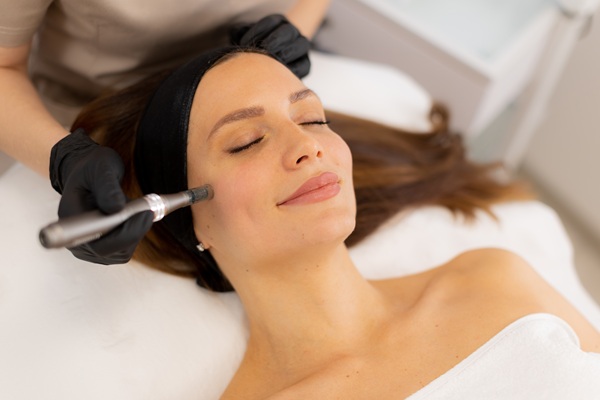
Microneedling— collagen-induction therapy— uses a handheld device covered with sterile hair-thin needles that glide across the epidermis at a controlled depth. The needles create microchannels that momentarily disrupt the skin barrier without causing significant injury. These channels initiate a cascade of biological events: platelets release growth factors, fibroblasts generate fresh collagen, and circulation in the dermal layer increases. In addition, the channels act as delivery portals that allow topical serums rich in peptides, antioxidants, or brighteners to reach deeper targets. Over a series of sessions spaced four to six weeks apart, the skin appears firmer and more even as new structural proteins reorganize.
How wellness centers determine candidacy for microneedling treatment
A licensed practitioner at a wellness center conducts a detailed consultation before scheduling microneedling treatment. The visit typically includes:
Health and lifestyle review. The provider screens for contraindications such as active infections, uncontrolled diabetes, or blood clotting disorders. Medications, sun exposure habits, and recent cosmetic procedures also influence timing.
Goal mapping. Clients share aesthetic priorities—scar reduction, wrinkle softening, tone correction—so that needle depth, serum selection, and session number align with measurable objectives.
Pre-treatment guidance. Instructions cover sun avoidance, exfoliant discontinuation, and hydration support to maximize safety and efficacy.
When the assessment confirms healthy skin integrity, realistic goals, and commitment to post-procedure care, the individual moves forward with a personalized plan.
3 signs for microneedling treatment candidacy
Before one schedules their consultation, they can perform a minor self-assessment at home. While it is necessary to confirm candidacy at the wellness center, patients can still look for these three signs that likely indicate candidacy:
Persistent texture concerns
Textural irregularities often resist improvement through basic exfoliation or over-the-counter products. Atrophic acne scars, enlarged pores, and coarse patches frequently stem from collagen loss or uneven oil distribution. Microneedline treatment stimulates fresh collagen deposition along scar walls, tightens pore edges, and encourages balanced cell turnover. As new protein scaffolding forms, the skin surface appears smoother and more refined. Individuals who see minimal progress after chemical peels or microdermabrasion often improve significantly once microneedling enters the regimen.
Early signs of aging
Collagen production begins during the late twentieth, paving the way for subtle wrinkles and sagging. Environmental stressors such as ultraviolet radiation and pollution accelerate this decline by generating free radicals that impair existing fibers. Through consistent microneedling treatment, fibroblasts receive a powerful stimulus to rebuild collagen and elastin networks. Fine lines soften, skin dentistry increases, and circulation boosts luminosity. For those seeking gradual, natural-looking rejuvenation without injectables or surgery, controlled micro-injury provides a compelling solution.
Stubborn hyperpigmentation
Melasma patches, sunspots, and post-inflammatory hyperpigmentation develop melanocytes to overproduce pigment in response to hormonal shifts, ultraviolet exposure, or inflammation. Brightening creams sometimes lighten superficial discoloration; however, deeper pigment clusters demand a more targeted approach. Microneedling treatment accelerates cellular turnover, disperses pigment granules, and improves serum penetration of ingredients such as tranexamic or kojic acid. Over successive sessions, dark patches fade while the overall complexion becomes clearer and more uniform.
Preparing for the first microneedling appointment
Should one be approved for candidacy during the consultation, some preparation is necessary for the first appointment. Begin preparation one week in advance by discontinuing retinoids, alpha-hydroxy acids, and aggressive exfoliants to prevent irritation. Apply a broad-spectrum SPF 30 or higher daily, avoid deliberate tanning, and remember that sunburned skin cannot receive treatment. Patients should also increase their water intake and use a gentle moisturizer morning and night to strengthen the skin's barrier. They can contact our wellness center if they are unsure whether skin care products are gentle.
On the day of the appointment, arrive at least 15 minutes before the appointment to complete the necessary paperwork. Patients should also have a clean face free from makeup, lotions, or sunscreen and plan light social activities for the next 24-48 hours because temporary redness similar to a mild sunburn is common. Following these guidelines establishes a stable foundation for safe needling and efficient recovery.
Call to confirm candidacy
Microneedling treatment combines precise technology with the body's regenerative power to address texture irregularities, early aging markers, and persistent discoloration. A thorough assessment— covering skin analysis, health screening, and goal mapping— ensures safety and maximizes aesthetic gains. If you resonate with any of the above three signs, you may be an ideal candidate for microneedling treatment. To confirm your candidacy and receive your treatment plan, contact Optimal Medical Group and schedule a consultation.
A coronary calcium score looks directly at the heart's arteries and returns a single number, instead of estimating risk from a formula. It comes from a quick CT scan that finds calcium deposits in the arteries supplying the heart. The scan uses no contrast dye and requires no needle. It measures calcified plaque and reports…
Estradiol in men is essential, and its level is one of the most overlooked numbers in men's health. The male body converts part of its testosterone into estradiol through an enzyme called aromatase. That estradiol helps maintain bone density, keeps joints comfortable, supports blood vessel function, and contributes to libido. Testosterone alone does not deliver…
An Lp(a) test is a single blood draw that reveals an inherited heart risk no other test will show. Lipoprotein(a), or Lp(a), is a particle similar to LDL with an extra protein attached. The amount a person makes is set largely by genes. Diet and exercise do little to change it. About one in five…
P-Shot® results follow a predictable timeline, which means men can plan around what changes and when. The P-Shot®, short for Priapus Shot®, uses platelet-rich plasma (PRP) drawn from a man's own blood. Those platelets release growth factors that recruit repair cells and stimulate new blood vessel formation. That process is biological construction, and construction takes…