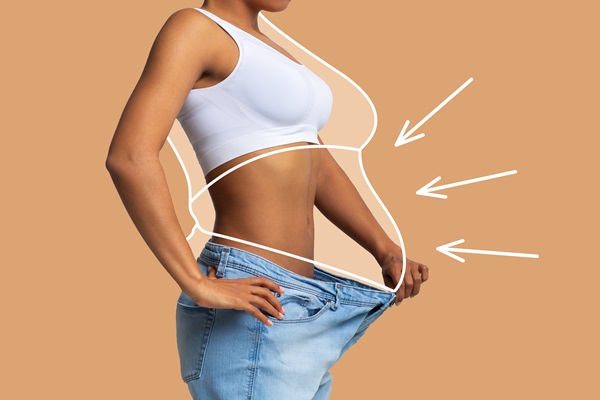
HCG weight loss treatments may help those struggling with weight loss lose up to two pounds daily. This treatment combines a low-calorie diet with a hormone called human chorionic gonadotropin, or HCG. The treatment works by helping to boost metabolism and reduce calorie intake to achieve more significant weight loss. However, it is important that a medical professional supervises diet and that the patient understands how it works.
HCG explained
The placenta of pregnant women produces the human chronic gonadotropin hormone, and has been used for decades in fertility medicine. Though not FDA-approved for weight loss treatment, it is thought by many medical professionals that HCG may aid in weight loss efforts. The theory is that HCG may improve metabolism and help people burn more fat than muscle. It is also thought that HCG reduces cravings and increases energy, making it easier to stay on a diet.
Who should consider HCG weight loss treatments?
Those struggling with weight loss through diet and exercise alone may want to consider HCG weight loss treatments. It may also be suitable for those with a significant amount of weight to lose and looking for a structured and comprehensive weight-loss plan. Patients must be committed to strictly following a heavily restricted diet for three to six weeks. In addition, it is crucial for the diet's success that the patient is committed to maintaining their results by leading a healthy lifestyle, getting regular exercise, and avoiding the habits that led to excess weight gain in the first place.
How the diet works
HCG weight loss treatments take place in stages. The patient receives HCG injections and then works toward a low-calorie diet. Once the patient achieves their weight loss goals, the maintenance phase begins.
Loading phase
The goal of this first phase is to prepare the body for the low-calorie diet in the second phase. This is the shortest phase of the treatment lasting only about two to three days. Patients begin daily HCG injections during this phase and eat a high-fat and high-calorie diet. The loading phase aims to build up HCG in the patient's bloodstream so it begins to turn stored fat into fuel for the body. This phase fills stored fat, making the body feel safe while transitioning into the low-calorie diet.
Weight loss phase
This is the main weight loss phase of the diet. Here the patient continues HCG injections while consuming between 500 and 800 calories per day, eliminating fat as much as possible. Depending on the patient's goals, this phase can last anywhere from three to six weeks. During this heavily calorie-restricted phase, the patient eats only two meals daily. The meal plan may vary by patient. However, HCG weight loss treatment meal plans typically include a portion of lean protein, one gettable, a piece of bread, and a fruit serving, with patients avoiding butter, oil, and sugar.
Maintenance phase
The final phase lasts about three weeks and starts once the patient reaches their weight loss goal. During this phase, the patient gradually decreases their intake of HCG hormone while slowly increasing their calorie intake. At this phase, the patient must continue to restrict their carbohydrate intake and avoid sugar.
The number of calories to increase to will vary by patient but is generally between 1200-1500 per day. The purpose of this phase is not weight loss but to maintain the goal weight reached on the last day of the restricted calorie diet. It is important to use this period to strengthen new healthy eating habits and avoid the foods and eating habits that caused one to gain extra weight in the first place.
Things to consider
It is important to consult with a healthcare professional before starting any weight loss program, including HCG weight loss, to ensure that it is safe for a patient's needs and health circumstances. A qualified medical professional must supervise low-calorie diets, including the HCG weight loss treatment plan. Those who are pregnant or breastfeeding, have certain medical conditions or are on certain medications may not be candidates for this weight loss treatment.
Lose the weight and keep it off
Maintaining a healthy weight can result in more energy, reduced risk of disease, and feeling better about your appearance. If you have struggled to lose weight, do not give up. To learn more about medical weight loss plans, including HCG weight loss treatments, call our team today to schedule a consultation.
Fat loss vs weight loss is a distinction that changes how results are measured, pursued, and sustained. Most diet programs focus on the scale. But the scale cannot tell the difference between fat lost and muscle lost. When weight drops through calorie restriction alone, a significant portion of that loss often comes from lean tissue…
Hormone imbalance treatment begins with understanding that hormones do not operate in isolation. They run as an interconnected system. When one hormone drifts out of range, it creates a cascade of effects across energy, sleep, mood, body composition, libido, focus, and stress resilience. That is why the symptoms often seem unrelated.Fatigue shows up alongside weight…
Bioidentical hormone replacement therapy (BHRT) is a physician-supervised treatment that uses hormones structurally identical to those the body produces naturally. It restores balance in patients experiencing hormonal decline. Unlike synthetic hormone formulations, bioidentical hormones are designed to match the body's own chemistry. That structural match allows for more predictable absorption and fewer side effects for…
A comprehensive health assessment goes far beyond the standard annual physical. It is a multi-hour, multi-system evaluation that examines how the body is actually functioning across every major system, cardiovascular, metabolic, hormonal, musculoskeletal, and cognitive. Standard physicals check a narrow set of markers and screen for disease.A comprehensive assessment looks deeper, earlier, and wider. It…