How Does My Total Body Composition Affect My Health?
Your total body composition is the proportion of non-fat and fat mass in your body. It can be an indicator of how healthy you currently are. A healthy total body composition includes having a low percentage of body fat for your age, gender, and height, and a higher percentage of healthy body mass which comes from your organs, bones, and muscles.
A person’s body composition provides a way to evaluate their fitness level. Personal trainers and physical therapists often take their client’s body composition at the start of their fitness journey so they can better assess how well they are progressing with their diet and workout.
Understanding total body composition
A person’s body is made up of two main types of mass: non-fat and body fat. Let us take a closer look at these two types of body mass:
- Body fat: These tissues can be found underneath a person’s skin or around their organs. Some body fat is needed to keep the body healthy since it stores energy, regulates important hormones, and protects organs
- Non-fat mass: This includes a person’s tissues, organs, muscles, bone, and water weight. It is also known as lean tissue and they are metabolically active – which means they use up calories for energy even in a resting state. That can help with weight loss and weight management
A person’s body fat percentage is a measurement that tells them how much of their total weight is made up of fat. The percentage of a person’s mass that is lean is known as fat-free mass. The healthy body fat percentage ranges vary greatly based on factors like age, height, and gender.
A bathroom scale is not designed to tell a person their body fat percentage. A simple way to calculate body fat percentage is to take a few simple measurements and entering them into a body fat calculator.
How body composition affects you
Athletic people tend to have lower body fat levels and that can give them a performance bonus when engaged in sports like cycling and running. However, having a very low body fat percentage can lead to health issues like an increased risk of injury and lower energy levels. It can also increase the risk of osteoporosis.
People who are obese or overweight tend to have excessive body fat and that increases their risk of developing issues like sleep apnea, heart disease, and diabetes. People with high body fat percentages can improve their body composition by building muscles and shedding some of the excess fat. A person’s body fat can be measured with procedures like:
- Bioelectric impedance: These are similar to regular scales, but they pass an electric current through the user’s body, measuring their body fat
- Skinfold measurements: This involves using calipers to measure skin folds in parts of the body and using that information to calculate body fat
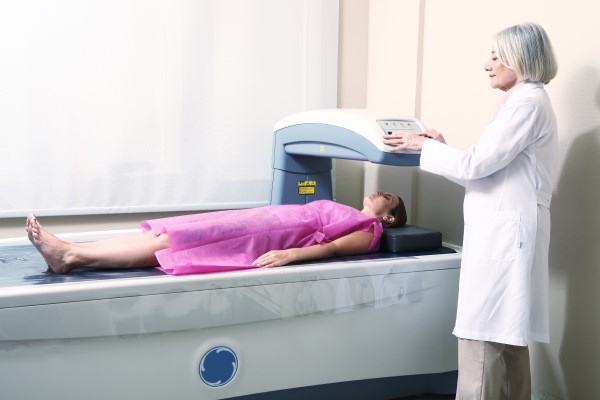
- DEXA scan: This involves using dual-energy x-rays to measure body fat in medical settings
Take control of your body composition
Low body fat can be a sign of good health and it leads to a more attractive physical appearance. Give us a call or visit our Fresno clinic to learn more about your body composition.
Request an appointment here: https://omgwellnessmd.com or call Optimal Medical Group at (559) 425-1118 for an appointment in our Fresno office.
Check out what others are saying about our services on Yelp: Total Body Composition in Fresno, CA.
Related Posts
Metabolic weight loss reviews usually point to the same truth: people lose weight most reliably when a program helps them maintain a consistent calorie deficit while protecting metabolic health. "Metabolic weight loss" is a secret reset button for metabolism. It's a structured way to manage food intake, activity, and habits so body weight trends down…
Long-term maintenance after metabolic weight loss works when the medical-office plan shifts from "losing" to "staying," using clear targets, consistent monitoring, lifestyle interventions, and, when appropriate, ongoing weight loss medication support that matches a changed metabolism. After fat loss, many patients burn fewer calories and feel hungrier, so maintaining weight loss often requires an ongoing…
Required lab work for starting metabolic weight loss is a focused set of blood tests that helps a healthcare provider spot insulin resistance, thyroid dysfunction, nutrient deficiencies, and organ issues that can drive weight gain or cause difficulty losing weight. In practice, this means getting a few baseline lab tests, often a complete blood count,…
Choosing between metabolic weight loss supplements and a medication-based program comes down to one thing: how much, how safely, and how predictably they help someone lose weight. In most research, over-the-counter weight loss supplements produce little or inconsistent change, while clinician-guided prescription programs (including GLP-1 medications) commonly produce about 10–15% body weight loss when paired…