Getting an IPL Treatment From a Medspa
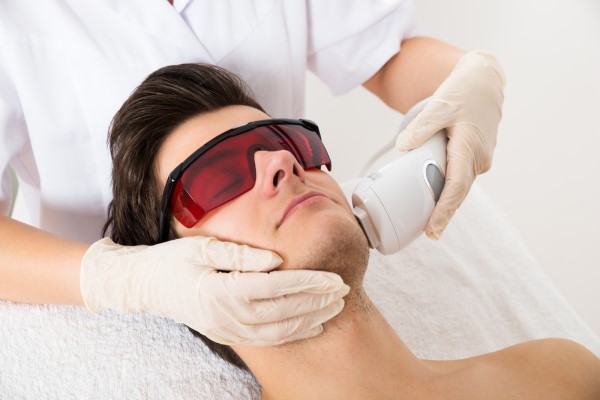
IPL, or intense pulsed light, is a common treatment for damaged capillaries and hyperpigmentation, also known as spider veins and age spots. IPL also enhances the production of elastin and collagen, which helps to improve the skin and give a radiant appearance. Optimal results can typically be seen after a few treatment sessions.
You can typically get IPL treatment at a medical spa or specialized clinic. You can also get the treatment from regular spas, particularly those that specialize in skin care treatments, but it is rare. It is even less frequent at resort spas because the procedure can sometimes be painful.
Who can get an IPL treatment?
The ideal candidate for IPL would be someone with light skin who has suffered sun damage, damaged capillaries, and skin sag. People often have mistaken IPL treatment for laser treatment, but they are not the same.
Dark-skinned people should be wary of undergoing IPL treatment because dark skin tends to absorb light. Complications could result, including hyperpigmentation, burns, and blistering. People with darker complexions who want IPL treatment should consult a physician who has experience treating people with their skin color. The physician may have suitable equipment to achieve the same result with minimal risk.
IPL vs. laser treatments
IPL employs short emissions of polychromatic, high-intensity light to invade the first skin layer. The light then destroys the melanin responsible for age spots or blood vessels, causing broken capillaries. The skin repairs the damage, resulting in a smoother complexion.
A handful of treatments are necessary to achieve optimal results. You can generally expect between three to six procedures, with a month between all rounds of treatment. First introduced in the 1990s, IPL is an effective general-purpose treatment.
Lasers use a high-powered, direct beam of powerful light on a particular wavelength to focus on a specific condition. Since lasers are used for a single purpose, they achieve better results. If you need to treat age spots and damaged capillaries, that would require two separate laser treatments, while IPL combines both into one procedure.
IPL at medspas
Day spas typically have IPL equipment because they are not as costly as lasers and can perform many functions. In contrast, a medspa, a dermatologist’s office, and a plastic surgeon's office usually have different types of machines; this includes lasers and IPL, so they can use the most suitable device for your skin type.
IPL usually is cheaper than laser treatments, so you may consider undergoing the procedure first to check the results.
Preparation for the procedure
Before beginning any procedure on the skin, the skin care professional will thoroughly cleanse the area. After that, they will apply a soothing gel on the skin and use the IPL equipment to administer light pulses to the skin. Patients will need to wear dark glasses to shield their eyes during treatment.
Skin irritation from the pulses is possible. Patients often compare the sensation to snapping rubber bands on the skin. The treatment time will range from 20 to 30 minutes, depending on the size of the region being treated and the section of the body undergoing treatment.
Three to six sessions may be necessary to get the desired effects. Patients should space out those treatments by a month to give their skin time to recover. On average, hair removal takes between six and 12 sessions.
The efficiency
Modern IPL equipment performs as well as laser treatments to fade facial blood vessels, for example. IPL is typically more effective for hair removal on coarse, dark hair than it is on fine, light hair. Significant results may take more than one session.
After treatment, the affected region will look and feel red and sensitive for a few hours. There may also be some skin swelling. After the procedure, the skin will be very sensitive for a few more days. It is advisable to avoid applying hot water on the skin until healing is complete.
The bottom line
Since IPL and lasers use powerful beams of light and heat, the procedure can range from mildly uncomfortable to painful. Pain is based on the treatment, your skin type, the condition involved, and your pain threshold. The expertise of the practitioner may make the procedure less painful, but you should expect a level of discomfort.
Schedule a consultation appointment with our office today to get an idea of how the treatment will feel and what side effects to expect. This would help put you at ease before the treatment procedure.
Get more information here: https://omgwellnessmd.com or call Optimal Medical Group at (559) 840-0066
Check out what others are saying about our services on Yelp: Read our Yelp reviews.
Related Posts
A coronary calcium score looks directly at the heart's arteries and returns a single number, instead of estimating risk from a formula. It comes from a quick CT scan that finds calcium deposits in the arteries supplying the heart. The scan uses no contrast dye and requires no needle. It measures calcified plaque and reports…
Estradiol in men is essential, and its level is one of the most overlooked numbers in men's health. The male body converts part of its testosterone into estradiol through an enzyme called aromatase. That estradiol helps maintain bone density, keeps joints comfortable, supports blood vessel function, and contributes to libido. Testosterone alone does not deliver…
An Lp(a) test is a single blood draw that reveals an inherited heart risk no other test will show. Lipoprotein(a), or Lp(a), is a particle similar to LDL with an extra protein attached. The amount a person makes is set largely by genes. Diet and exercise do little to change it. About one in five…
P-Shot® results follow a predictable timeline, which means men can plan around what changes and when. The P-Shot®, short for Priapus Shot®, uses platelet-rich plasma (PRP) drawn from a man's own blood. Those platelets release growth factors that recruit repair cells and stimulate new blood vessel formation. That process is biological construction, and construction takes…