6 FAQs About Botox® Treatment From a Plastic Surgeon
Considering Botox® treatment? Read on to learn more about this popular treatment. There is a wide range of reasons that a plastic surgeon may recommend Botox®, varying from health conditions to improving the face's appearance. Having an understanding of what is involved in the treatment and what to expect can be quite helpful when considering undergoing cosmetic work from a plastic surgeon.
6 Common questions about Botox® treatment
Outlined below are some of the most frequently asked questions about Botox® treatment. The answers to these questions were provided by a plastic surgeon who specializes in cosmetic work.
1. What is Botox used for?
Botox treatment is recommended by plastic surgeons specifically for cosmetic purposes, such as improving fine lines and wrinkles on the face. It can also be beneficial for those who have sagging or drooping in the face as it helps to tighten the skin and address abnormalities.
In other cases, Botox may be recommended to individuals who suffer from migraines as it is known to help reduce the painful symptoms associated with the condition.
2. How often can I get Botox?
It is generally recommended by a plastic surgeon to only undergo Botox treatment every three to four months maximum. Of course, there may be specific situations in which it is appropriate to undergo the treatment more frequently, but what is stated above is typically recommended by plastic surgeons.
Too much Botox can actually be detrimental to one's health, as well as their appearance.
3. Is there a recovery period?
Generally, individuals recover from Botox treatment after a day or two. However, there are some cases in which one reacts poorly, thus extending the period of recovery. If this is the case, it is also recommended to return to the medical office where the injections were provided for a follow-up.
Immediately after the appointment, it is advised to not lay down for at least four hours. It is also recommended to follow the tips that are listed below:
Avoid saunas and hot tubs for a few weeks
Try not to touch the face for at least 24 hours
Do not sleep face down as this can alter the course of the treatment
Avoid exercise for at least 12–24 hours after the injections are administered
Stay out of direct sunlight for at least a couple of days
If possible, shield the face from extremely cold temperatures
Limit alcohol consumption for at least 24 hours after the injections
Avoid wearing make-up for at least a few days
While it may be challenging to completely follow all of these recommendations, it is a good idea to follow them as closely as possible to ensure the most optimal results from the treatment.
4. Does Botox hurt?
Initially and temporarily, yes. Injections of any kind tend to induce a small pinch of discomfort. The healing process, which usually only lasts a day or so, may also bring on some soreness and tenderness throughout the face, but this is completely normal and should go away. If it persists, it is advised to return to the plastic surgery office for a follow-up appointment.
Of course, as one undergoes Botox on a frequent basis, they will begin to get used to the initial insertion of the needle.
5. When can I expect to see results?
Generally speaking, the results from Botox may start to appear within a week or so. It is also key to note that first-time users of Botox may experience longer result times, which is completely normal. Keep in mind that everyone responds differently, which may mean that results take longer to show for some.
6. How long does a Botox treatment take?
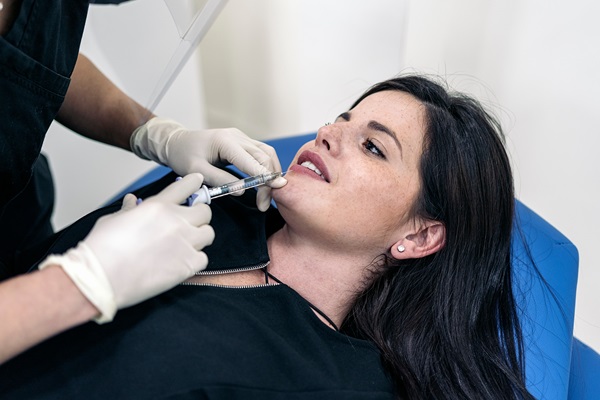
In a majority of cases, Botox treatment is administered within a 30-minute appointment. The plastic surgeon will prepare the area by cleaning the face and then inject the Botox. Afterward, a light massage in the facial region will be performed to ensure the proper distribution of the product. This also helps to avoid bruising and swelling later on. After a few minutes of waiting to ensure that there are not any poor reactions, the patient can be on their way home.
Ready to get started?
When considering Botox® treatment, the best thing to do is consult with a plastic surgeon. Any unanswered questions or concerns can be appropriately addressed. Additionally, an evaluation can be done to determine if you are a good candidate. Contact our clinic today to find out more or to schedule a consultation.
Metabolic weight loss reviews usually point to the same truth: people lose weight most reliably when a program helps them maintain a consistent calorie deficit while protecting metabolic health. "Metabolic weight loss" is a secret reset button for metabolism. It's a structured way to manage food intake, activity, and habits so body weight trends down…
Long-term maintenance after metabolic weight loss works when the medical-office plan shifts from "losing" to "staying," using clear targets, consistent monitoring, lifestyle interventions, and, when appropriate, ongoing weight loss medication support that matches a changed metabolism. After fat loss, many patients burn fewer calories and feel hungrier, so maintaining weight loss often requires an ongoing…
Required lab work for starting metabolic weight loss is a focused set of blood tests that helps a healthcare provider spot insulin resistance, thyroid dysfunction, nutrient deficiencies, and organ issues that can drive weight gain or cause difficulty losing weight. In practice, this means getting a few baseline lab tests, often a complete blood count,…
Choosing between metabolic weight loss supplements and a medication-based program comes down to one thing: how much, how safely, and how predictably they help someone lose weight. In most research, over-the-counter weight loss supplements produce little or inconsistent change, while clinician-guided prescription programs (including GLP-1 medications) commonly produce about 10–15% body weight loss when paired…